Whitewater rafting in Maine is one of the most exciting ways to experience the state’s rivers, but staying safe is the foundation of any enjoyable trip. Whether you are planning your first outing on the Kennebec, the Penobscot, or the Dead River, understanding rafting safety helps you feel confident and prepared. This topic is important because conditions on the river can change quickly and knowing how to respond can make a real difference for you and your group. In this post, we outline practical Maine rafting safety tips that cover preparation, gear essentials, on-river behavior, and what to expect from a trusted outfitter. By the end, you will have a clear sense of how to approach your next adventure with both excitement and awareness.
Why Safety Matters on Maine Rivers
The Risks of Whitewater Rafting Even in Maine
Maine’s rivers offer dependable flows and well-managed rafting sections, but they still present natural challenges that every group should respect. Rapids can shift from season to season, currents can speed up after rainfall, and underwater features are always changing. Even on popular stretches of the Kennebec or Penobscot, a sudden swim, a raft hitting a rock, or a misread current can happen quickly. Understanding these risks helps rafters stay aware and prepared rather than surprised.
A few common hazards include:
- Shallow rocks that can disrupt the raft or cause injuries
- Strong currents that pull swimmers in unexpected directions
- Hydraulics and holes that require calm and proper technique to navigate
Recognizing these possibilities is the first step in staying safe.
Maine Rivers Are Unique but Not Risk Free
Many people choose Maine for rafting because the rivers are consistent, guided, and supported by scheduled dam releases. These controlled flows create reliable whitewater, but they do not remove the need for strong safety practices. Each river has its own personality. The Kennebec River features fast-moving water, the Dead River offers big-volume rapids on release days, and the Penobscot brings technical, powerful features that demand attention.
While Maine has a strong safety record, that success comes from experienced guides, proper equipment, and clear communication. When everyone approaches the river with respect and listens closely to their guide, the trip becomes safer and more enjoyable. This mindset not only protects participants but also helps preserve the quality of Maine’s whitewater experiences for years to come.
Pre-Trip Preparation: The Foundation of a Safe Trip
Choose a Reputable Outfitter and Certified Guides
A safe rafting trip begins long before your group reaches the river. Working with a reputable outfitter ensures that local rafting guides are trained, experienced, and familiar with local conditions. In Maine, this matters because river flows and features vary throughout the season. Look for an outfitter with certified guides, clear safety protocols, and a strong track record of operating on the Kennebec, Dead, or Penobscot. If you are unsure, ask questions about guide training, emergency procedures, and how they match guests to the right trip.
Choosing the right outfitter provides structure, dependable equipment, and professional leadership that helps reduce risks from the start.
Know the River and Pick the Right Difficulty Level
Understanding a river’s difficulty level is an important part of planning your trip. Whitewater is rated on a Class I to Class VI scale, and each river in Maine has its own unique mix of calm sections and technical features. Beginners often feel more comfortable starting with a Class II or Class III trip, while more advanced rafters may choose higher intensity sections.
Helpful steps include:
- Reviewing the difficulty rating of your chosen river
- Matching the trip to your group’s age, fitness, and comfort level
- Asking the outfitter for guidance on the best route for your goals
This preparation helps ensure that everyone feels ready for the experience.
Listen Closely to the Pre-Trip Safety Briefing
Before you put on a life jacket or step into the raft, your guide will lead a safety talk that covers fundamental river skills. This briefing explains paddling commands, what to do if you fall into the water, how to position your body during rapids, and the role each person plays in keeping the raft balanced. The information is simple, but it is essential for staying safe during the trip.
Rafters should listen carefully, ask questions, and confirm they understand the instructions. A strong safety briefing sets the tone for a smooth and confident day on the river.
Gear and Equipment: What Must Be Right Before Launch
Life Jacket or Personal Flotation Device and Helmet Fit Matters
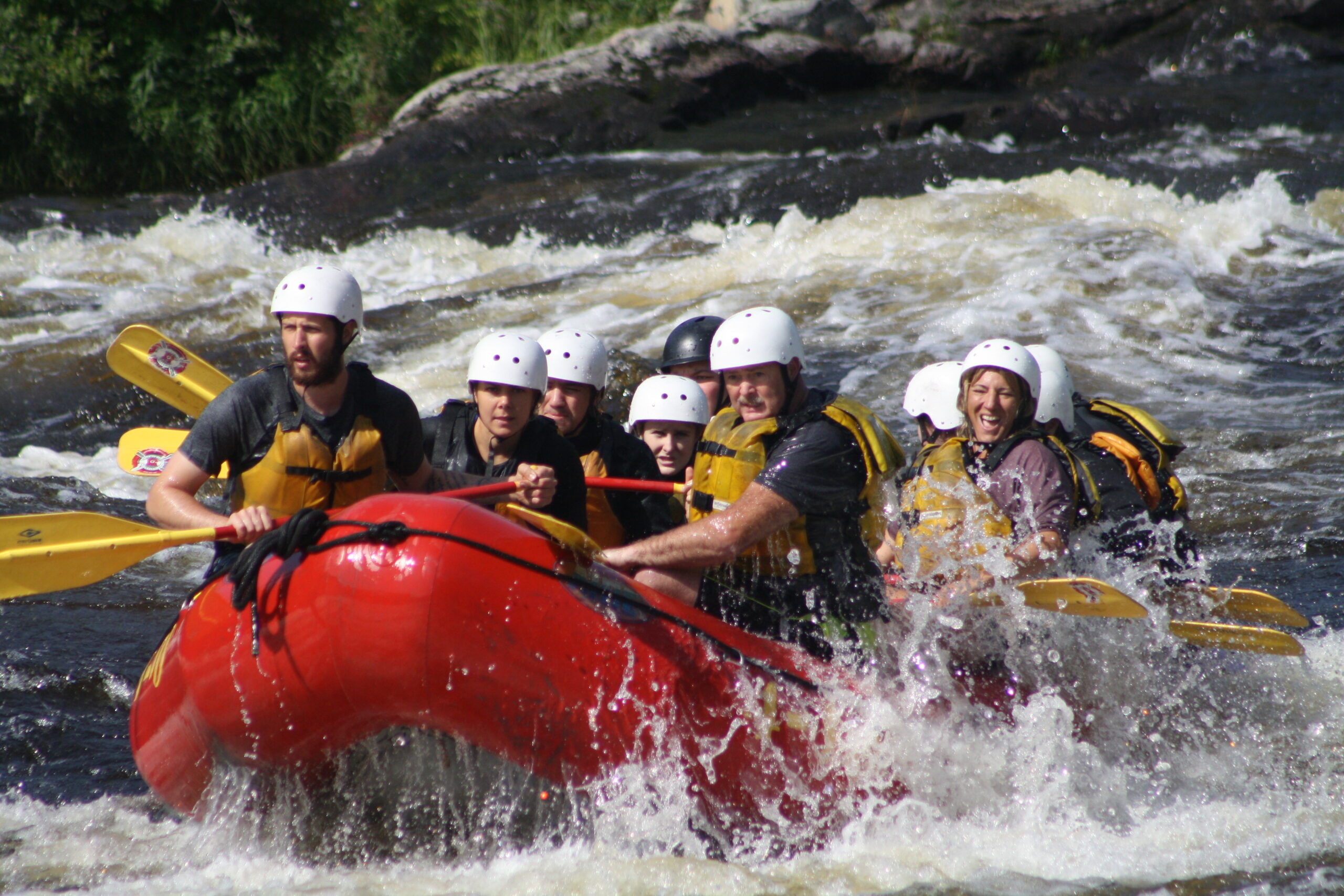
Proper safety gear is the foundation of any successful rafting trip. Every rafter must wear a U.S. Coast Guard approved life jacket that fits snugly and stays secure during movement. Guides will check each jacket before launch to confirm it is adjusted correctly. Helmets are just as important because they protect against collisions with rocks, paddles, or other rafts. Even on easier sections of the river, helmets provide valuable protection and should never be removed on the water.
A well-fitting life jacket and helmet give you confidence and help prevent injuries in unexpected situations.
Appropriate Clothing, Footwear, and Season Based Gear
The right clothing keeps you comfortable and focused on the experience. Quick drying or synthetic layers work best because they stay warm when wet and shed water easily. Cotton becomes heavy and cold, which can make the trip less enjoyable. Secure footwear such as water shoes or sandals with straps helps protect your feet and keeps you steady in the raft. Maine’s water temperatures can be cool, especially early or late in the season, so wetsuits or splash jackets may be recommended.
Wearing the correct gear helps regulate body temperature and ensures you move safely throughout the day.
Optional Extras for Comfort and Safety
A few optional items can improve your comfort on the river while supporting a safe and smooth experience. Rafters often bring a small dry bag for personal items like a phone, sunscreen, or an extra layer if the outfitter permits it. Sunglasses with a strap help protect your eyes, and a brimmed hat under your helmet can add sun protection. After the trip, having a dry change of clothes makes the ride home more comfortable.
These simple additions help you keep essentials safe and reduce distractions during the adventure.
On the River: Behavior, Teamwork, and Awareness
Follow Guide Instructions and Paddle Commands
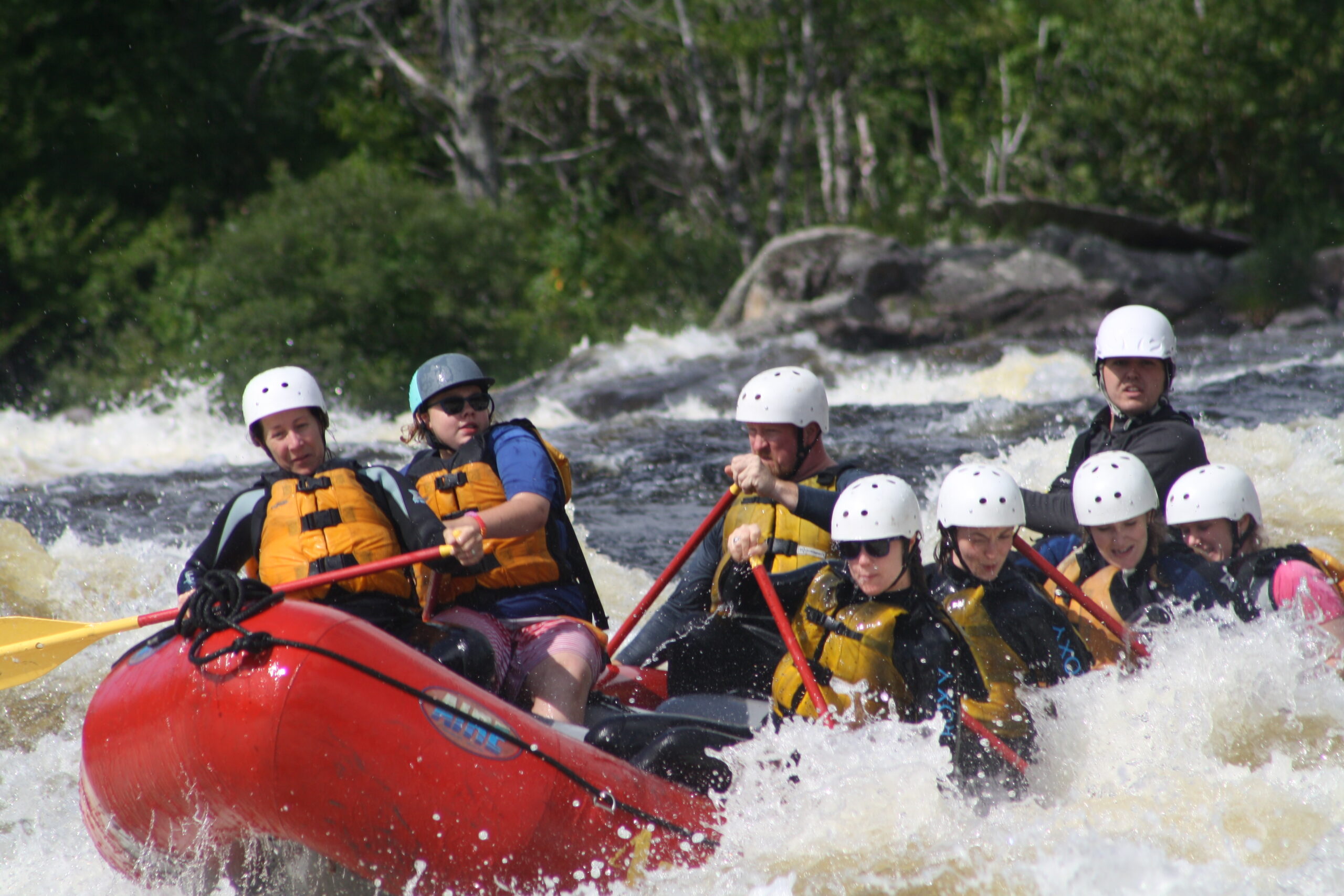
Once you are on the water, your guide becomes your primary source of direction and support. Every command is designed to keep the raft moving smoothly through rapids and away from hazards. Responding quickly and paddling in sync with the group helps maintain balance and prevents the raft from spinning or drifting into obstacles. Clear communication keeps everyone on the same page, and even beginners can paddle effectively when they follow the guide’s cues.
Reliable teamwork starts with listening closely and staying focused on each instruction.
Maintain Proper Body Position and Stay in the Boat
How you sit and move in the raft affects its stability. Guides will explain where to place your feet and how to hold the raft securely during rougher sections. Staying low and balanced helps prevent falls, and holding the safety lines when instructed gives you extra security. If you fall into the water, keeping your feet pointed downstream and staying on your back until the guide directs you helps protect your legs from rocks and underwater hazards.
Simple adjustments in body position make a big difference in staying safe throughout the trip.
Read the Water and Stay Aware of Hazards
Awareness is essential on any whitewater river. While guides make navigation decisions, it helps to understand what certain features look like and why they matter. Rocks, waves, and holes can affect the raft’s movement, and sudden changes in current are common. Watching the water ahead, staying alert, and staying engaged with your group creates a safer and more enjoyable experience.
A few basic things to look out for include:
- Large waves that can shift the raft unexpectedly
- Rocks that create obstacles or change the direction of the current
- Eddies, hydraulics, and other features that require steady paddling
Staying aware helps you contribute to the teamwork needed to move confidently through each rapid.
Emergency Preparedness: What to Do If Things Go Wrong
Recognize Common Incidents on the River
Even with strong preparation and a skilled guide, unexpected situations can occur on any whitewater trip. Swimmers, capsized rafts, and brief moments of disorientation are part of the sport. Maine’s rivers are well managed, but fast currents, hidden rocks, or large waves can lead to unplanned swims. Understanding that these situations are possible helps you stay calm and respond quickly if they happen.
Most incidents are minor and are handled easily when everyone follows the guide’s direction and uses proper safety techniques.
Self Rescue Basics and Guide Led Protocols
Knowing a few basic self rescue techniques can make a big difference. If you fall into the water, staying on your back with your feet pointed downstream helps protect your legs from rocks. Keeping your head up allows you to see the raft and listen for instructions. Guides are trained to respond quickly using throw ropes, commands, and specific maneuvers to help bring swimmers back to the boat.
Helpful reminders include:
- Do not try to stand in fast moving water
- Hold onto your paddle if possible, unless instructed otherwise
- Follow the guide’s direction when reentering the raft
Calm, deliberate actions support a safe recovery.
Avoiding Risky Behavior on the Water
Good decision making is one of the most effective safety tools on any rafting trip. Avoiding alcohol or substances before or during the trip helps maintain focus and reaction time. It is also important not to attempt stunts, unnecessary swimming, or actions that distract from paddling. Guides set the pace and choose the safest line down the river, and following their lead keeps the group protected.
Respecting the river and staying focused ensures a safe experience for everyone on board.
FAQs About Maine Rafting Safety Tips
What safety equipment do I need for rafting in Maine?
Rafters need a properly fitted life jacket, a helmet, and secure footwear to stay safe on the water. Most outfitters provide all required equipment and check each item before the trip. Wearing the right gear ensures you are protected in fast currents and unexpected situations.
Is whitewater rafting in Maine safe for beginners?
Yes, many Maine rivers offer sections that are well suited for beginners, especially when you go with a certified outfitter. Guides provide instructions, safety briefings, and support throughout the trip. Choosing the right river and difficulty level helps new rafters feel confident and prepared.
What should I do if I fall out of the raft during a rapid?
The safest response is to stay on your back with your feet pointed downstream to protect your legs. Keep your head up so you can see your guide and hear instructions. Your guide will help you return to the raft using practiced rescue techniques.
How do I choose a safe rafting outfitter in Maine?
Look for outfitters with certified guides, strong safety records, and clear preparation guidelines. A reputable company will explain its training standards and provide a thorough safety briefing before each trip. Reading reviews and asking questions can help you find a trusted operation.
Are Maine rivers dangerous during high water or dam releases?
High water and dam release days can create stronger rapids, which require extra awareness and guide expertise. These conditions can be safe when managed by trained professionals, but not all trips are suitable for every group. It is important to ask your outfitter about the day’s conditions and select a trip that matches your comfort level.
What clothing should I wear for a safe rafting trip in Maine?
Quick drying and synthetic layers are best because they stay warm when wet and allow free movement. Early and late season rafters may need additional layers like wetsuits or splash jackets to stay comfortable. Wearing secure, water friendly footwear helps protect your feet during the trip.
Stay Prepared With These Maine Rafting Safety Tips
Staying safe on the river begins with thoughtful preparation, the right gear, and a clear understanding of how to work as a team once you are on the water. Maine’s rivers offer incredible whitewater opportunities, and when you follow proven safety practices, the experience becomes both exciting and rewarding. By choosing a trusted outfitter, listening to your guide, and staying aware of the conditions around you, you set yourself up for a successful day on the river. If you are ready to enjoy a fun and well supported adventure in the heart of Maine, book your next rafting trip with Northeast Whitewater and experience the difference that safety minded guiding can make.